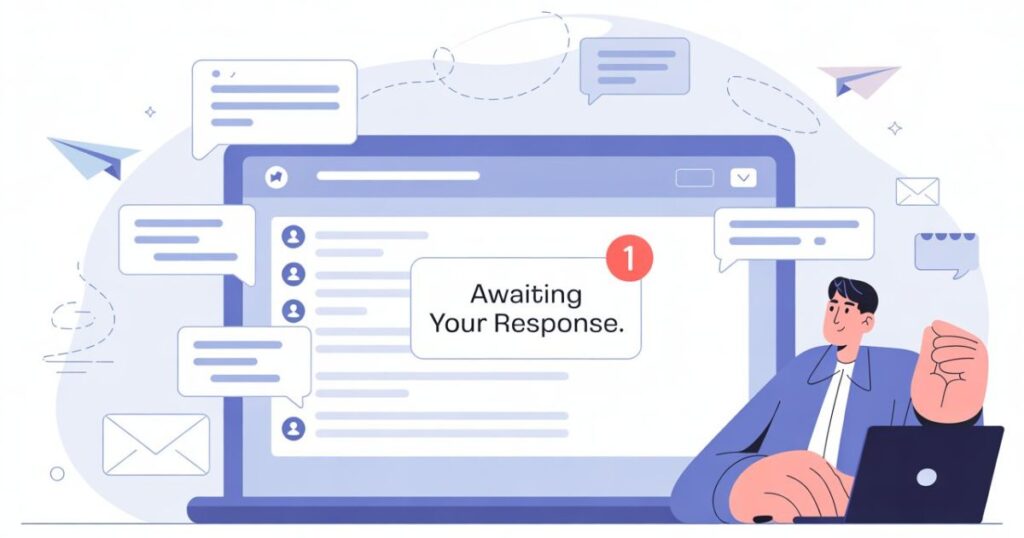
Ever sent an important email and then found yourself refreshing your inbox obsessively? You’re not alone. The phrase “I am waiting for your response” has become so overused that it practically screams “automated message.” Let’s fix that.
Professional communication demands variety. Using the same response anticipation phrases makes you sound robotic. Worse yet, it might decrease your chances of actually getting that reply you desperately need.
This guide explores twelve alternative ways to say “I am waiting for your response” that’ll transform your email etiquette and boost response rates. Whether you need formal alternatives for corporate communication or casual phrases for friendly follow-ups, we’ve got you covered.
Key Takeaways
Before diving deep, here’s what you’ll discover:
- Professional alternatives work better than repetitive phrases
- Context determines which approach wins every time
- Formal vs. informal tone matters significantly
- Strategic phrasing actually increases response rates
- Cultural considerations affect business email communication
- Timing impacts your word choice dramatically
Other Ways to Say “I Am Waiting for Your Response”
The English language offers countless alternatives for expressing anticipation. Each carries a different weight, urgency level, and emotional tone. Understanding these nuances transforms your workplace correspondence from forgettable to effective.
Different phrases serve different purposes in business communication. Some create urgency without pressure. Others build rapport while requesting feedback. The key lies in matching your message to your relationship with the recipient.
Here are twelve powerful alternatives to elevate your email game:
- I look forward to hearing from you
- Awaiting your response
- Let me know what you think
- I’m keen to hear what you have to say
- Your insights would be valuable
- Please share your thoughts when convenient
- I’d appreciate your feedback
- Looking forward to your reply
- Hope to hear back soon
- Your response will help us move forward
- Please get back to me at your earliest convenience
- I’m interested in your perspective
Each phrase carries its own personality and purpose. Let’s explore the most effective ones.
Top 2 Formal Alternatives to “I Am Waiting for Your Response”
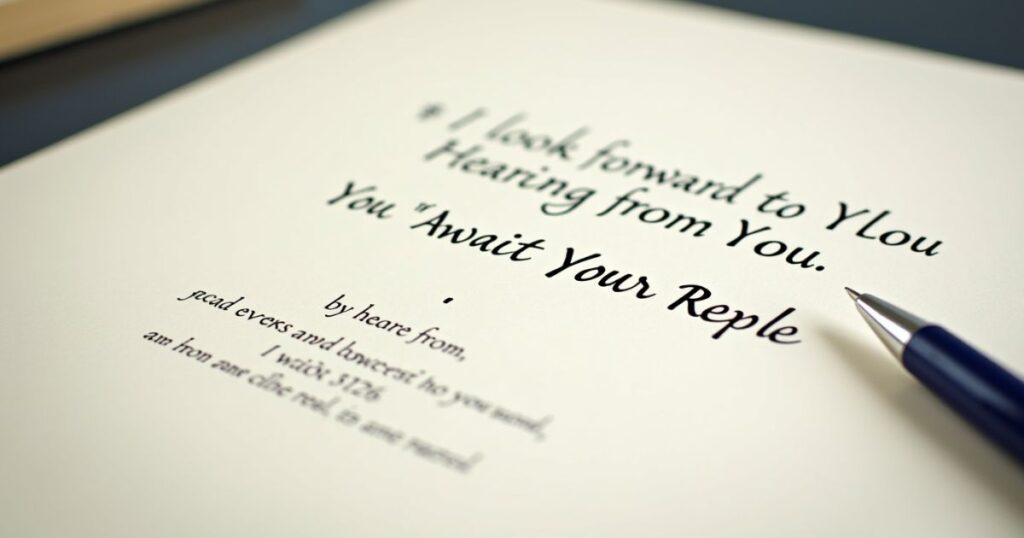
Professional settings demand elevated language. When communicating with executives, clients, or in official capacities, your word choice reflects your professionalism. These formal alternatives to “I am waiting for your response” demonstrate respect while maintaining appropriate urgency.
Formal communication isn’t about sounding stuffy. It’s about showing respectful communication that acknowledges the recipient’s time and position. The right phrasing builds credibility and encourages timely feedback.
I Look Forward to Hearing From You
This phrase dominates professional email phrases for good reason. It conveys optimism while maintaining corporate email tone. Unlike “I am waiting for your response,” it positions the anticipated reply as a positive event rather than an obligation.
Why this works brilliantly: It creates anticipation without pressure. The future-focused language suggests confidence that a response will come. This psychological trick makes recipients more likely to respond favorably.
The phrase works across industries and hierarchies. Whether you’re emailing your boss, a potential client, or a colleague, “looking forward to hearing from you” maintains appropriate professionalism without formality that feels cold.
| Aspect | “I Am Waiting for Your Response” | “I Look Forward to Hearing From You” |
|---|---|---|
| Tone | Passive, slightly demanding | Positive, expectant |
| Urgency Level | Medium-high | Low-medium |
| Professional Setting | Acceptable | Preferred |
| Relationship Building | Neutral | Strengthens rapport |
| Response Rate Impact | Standard | Higher engagement |
How Can I Politely Tell Someone That I’m Waiting for Their Response?
Politeness transforms communication outcomes. When asking for a response politely, consider these proven techniques that balance assertiveness with respect:
- Acknowledge their busy schedule explicitly
- Provide clear context for your request
- Offer flexibility regarding timing when possible
- Use positive framing throughout your message
- Include specific questions to simplify responses
The best polite communication techniques recognize the recipient’s constraints. Phrases like “when you have a moment” or “at your convenience” demonstrate understanding. However, balance this with clarity about genuine deadlines.
Cultural differences affect polite reply requests significantly. What sounds appropriately assertive in American business culture might seem aggressive elsewhere. Research your recipient’s background when possible.
I Will Be Waiting for Your Response — Formal Email
This phrasing carries subtle authority that works in specific contexts. Use it when you’ve established clear expectations about response times or when following up on time-sensitive matters.
The phrase works best in business email best practices when you need to communicate urgency without sounding demanding. It states your position clearly while maintaining professional boundaries.
However, exercise caution. In some workplace correspondence situations, this can sound impatient. Reserve it for circumstances where you’ve already discussed timelines.
I Will Be Waiting for Your Response — Meaning
This phrase signals reply expectation with mild pressure. The future continuous tense implies ongoing anticipation, which subtly communicates that your attention remains focused on receiving their feedback.
Linguistically, it positions you as actively waiting rather than passively hoping. This creates a sense of accountability for the recipient without explicitly demanding action.
Different cultures interpret this phrase differently. In high-context cultures, it might sound too direct. In low-context business environments, it’s perfectly acceptable for formal email closing situations.
Sample Email
markdown
Subject: Following Up on Quarterly Marketing Proposal

Dear Ms. Thompson,

Thank you for reviewing our quarterly marketing plan during Tuesday's presentation. Your questions about the social media strategy were particularly insightful.

I've attached the revised documents incorporating the budget adjustments we discussed. The updated timeline reflects your team's availability through March.

I look forward to hearing from you regarding approval to proceed. Please feel free to reach out if any sections need clarification.

Best regards,
Sarah Mitchell
Marketing Director
Why this email succeeds: It references previous communication, provides value through revisions, and closes with a professional follow-up message that encourages response without pressure.
Awaiting Your Response
This classic phrase maintains formality and professionalism across business contexts. It’s particularly effective in legal, academic, and high-stakes business communication where traditional language remains the standard.
Awaiting your reply carries more weight than casual alternatives. It communicates that you’ve taken action and the next move belongs to the recipient. This clarity helps in project management and collaborative environments.
The phrase works exceptionally well when you’ve made a specific request requiring action. It positions your email as part of an ongoing process rather than a standalone message.
Industries where this resonates:
- Legal correspondence and contracts
- Academic research collaboration
- Government or official communications
- High-stakes business negotiations
- Vendor and supplier relationships
- Client proposals requiring formal approval
We Are Waiting for Your Reply to Proceed Further
This collective voice phrase adds organizational weight to your request. Using “we” instead of “I” suggests that multiple stakeholders await the response, which often accelerates replies.
The phrase works brilliantly for seeking prompt response on decisions affecting teams. It communicates that delays impact more than just you personally, creating appropriate urgency without sounding demanding.
However, only use this when it’s truthful. False urgency damages credibility and professional relationships over time.
Best practices for implementation:
- Specify exactly what you’re waiting for
- Provide realistic timeframes for response
- Include clear action items for the recipient
- Offer alternative contact methods if urgent
- Explain consequences of delays without threats
Sample Email
markdown
Subject: Project Green Light Approval Needed Launch Scheduled Feb 15

Hello Ms. Rodriguez,

Our team has finalized all materials for the Project Green Light campaign per your specifications. Everything stands ready for immediate deployment.

We are waiting for your reply to proceed further with the scheduled launch. The campaign timeline currently targets February 15th for maximum market impact.

Could you please review the attached assets and confirm approval by Friday? This timeline ensures our vendors have adequate preparation time for production.

Your timely feedback would be most appreciated.

Sincerely,
David Chen
Project Director
This template works because: It clearly states what’s needed, provides context for urgency, and maintains respectful communication while establishing a specific deadline.
Read This Article: 25 Other Ways to Say “Thank You for Partnership”
Top 2 Informal Alternatives to “I Am Waiting for Your Response”
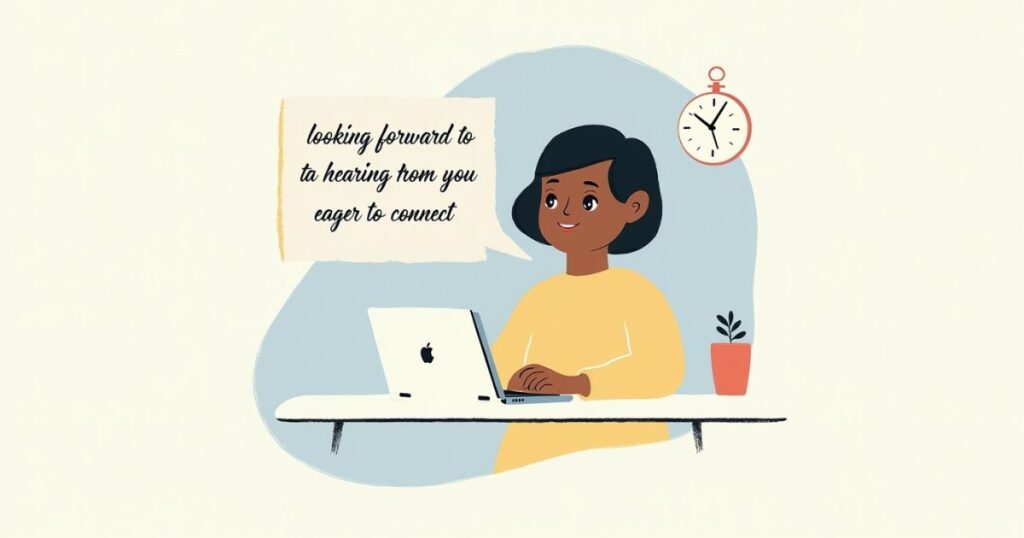
Modern workplaces embrace conversational communication. Startups, creative agencies, and collaborative teams often prefer friendly tone email over traditional formality. These casual email phrases build relationships while still encouraging responses.
Informal doesn’t mean unprofessional. It means adjusting your email tone formal vs informal to match your company culture and relationship with the recipient. The right casual phrase shows personality while maintaining workplace standards.
Let Me Know What You Think
This phrase dominates informal response requests because it feels conversational and inviting. Instead of demanding a reply, it opens dialogue and encourages genuine feedback.
Why it outperforms formal alternatives: It reduces pressure significantly. Recipients feel invited to share opinions rather than obligated to respond. This psychological difference often increases response rates, especially for creative ideas and brainstorming contexts.
The phrase works across hierarchy levels surprisingly well. Even when emailing superiors, this conversational communication style can build rapport in less traditional work environments.
Effectiveness factors in action:
- Creates collaborative atmosphere naturally
- Reduces recipient anxiety about responding
- Encourages honest, thoughtful feedback
- Works exceptionally well for seeking opinions
- Crosses hierarchical boundaries smoothly
Best Reply for “Waiting” to a Guy
Modern workplace communication demands gender-neutral language. Regardless of the recipient’s gender, focus on clarity, respect, and appropriate tone for your relationship and context.
The question reveals outdated thinking about communication skills improvement. Professional messaging shouldn’t vary based on gender assumptions. Instead, consider these factors:
- Your working relationship length and depth
- Company culture and communication norms
- The specific request or question involved
- Previous communication patterns established
- Urgency and importance of the matter
Professional communication transcends gender. Focus on message clarity and tone appropriateness rather than tailoring messages based on the recipient’s gender.
Sample Email
markdown
Subject: Quick Check-In on Website Redesign Mockups

Hey Marcus,

Hope your week's treating you well! I sent over those website redesign mockups last Tuesday and wanted to touch base quickly.

Let me know what you think when you get a chance. No pressure if you're swamped I know Q4 gets crazy for everyone.

Would especially love your take on the color scheme. Your design eye always spots things the rest of us miss.

Cheers,
Alex
This friendly follow-up succeeds because: It maintains warmth without sacrificing professionalism, acknowledges potential constraints, and specifically requests feedback on manageable elements.
I’m Keen to Hear What You Have to Say
This phrase radiates genuine enthusiasm while requesting input. It works beautifully when you truly value someone’s perspective and want to encourage thoughtful responses.
The psychology behind effectiveness: Explicitly stating your interest in their opinion makes recipients feel valued. This emotional connection significantly increases the likelihood of receiving detailed, useful feedback rather than perfunctory replies.
However, know your audience. “Keen” sounds more natural in British English and creative industries. In conservative American business contexts, it might sound slightly unusual, though still acceptable.
When this phrase shines brightest:
- Pitching innovative ideas or proposals
- Seeking mentorship or expert guidance
- Collaborative creative project discussions
- Following up after positive initial meetings
- Requesting feedback on experimental approaches
- Building relationships with potential partners
I’m Eagerly Awaiting Your Response
This phrase balances enthusiasm with professionalism beautifully. It communicates genuine interest while maintaining workplace appropriateness. However, use it judiciously overuse can sound desperate.
Eagerly awaiting your feedback works best when you’ve proposed something mutually beneficial. It shows investment without creating inappropriate pressure on the recipient.
The phrase suits encouraging someone to respond when previous interactions have been positive. It builds on existing rapport rather than establishing it from scratch.
Sample Email
markdown
Subject: Excited About Potential Partnership Opportunity

Dear Dr. Williams,

Our conversation at last week's Sustainability Conference genuinely sparked my imagination. Your research on renewable materials aligns perfectly with our company's environmental initiatives.

I'm keen to hear what you have to say about potential collaboration. Combining our resources could create something truly impactful for the industry.

I've outlined preliminary thoughts in the attached document. Would you be available for a call next week to explore possibilities?

Warm regards,
Jennifer Park
Director of Innovation
Why this approach works: It references previous positive interaction, provides value upfront, and maintains enthusiastic yet professional tone throughout.
FAQ’s
Can “awaiting your response” sound too formal for everyday emails?
Yes, it works best for legal, academic, or high-stakes business contexts rather than casual team communication.
What’s a good alternative when you need an urgent reply?
Try “Your prompt response would be greatly appreciated” or “Could you please respond by [specific date]?” to convey urgency politely.
Is “I hope to hear from you soon” professional enough for business emails?
Absolutely it strikes a perfect balance between friendliness and professionalism for most workplace correspondence situations.
Should I always include a deadline when requesting a response?
Not always, but including realistic timeframes significantly increases response rates and prevents misunderstandings about urgency levels.
Does adding “please” make “I am waiting for your response” more polite?
Yes, “I am please waiting for your response” or “Please let me know your thoughts” softens the request considerably and demonstrates respectful communication.

Flairsy is the word expert behind Englishfixerr.com, helping readers find the perfect synonyms and simple word choices. With a love for clarity and creativity, Flairsy makes English easy and stylish. From tricky terms to everyday phrases, he turns confusion into confidence.